
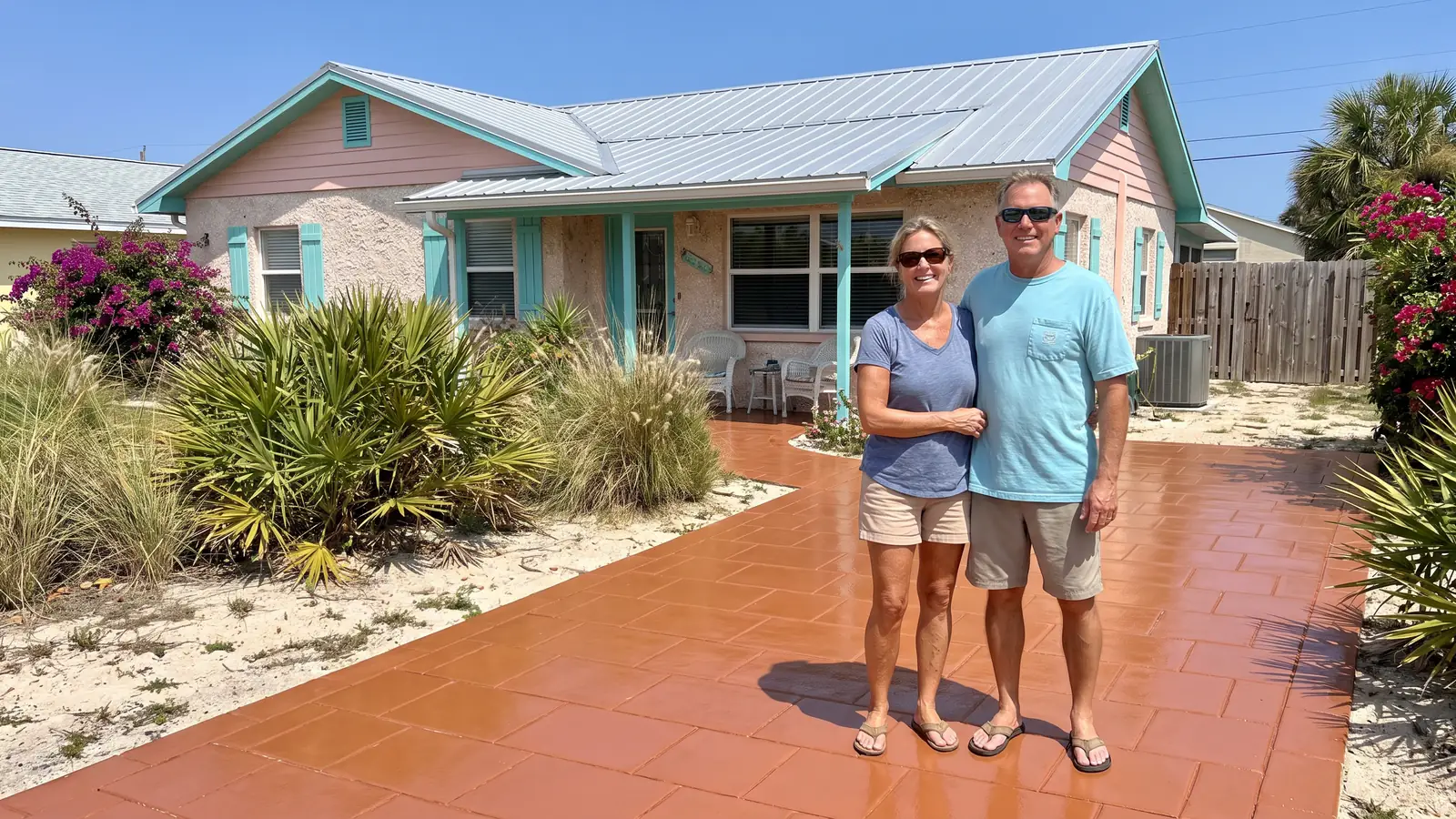
Paver sealing for Daytona Beach homes
Paver Sealing in Daytona Beach, FL
Both sides of the Halifax River have pavers to seal in Daytona Beach; call (386) 270-5568 for a free estimate.
- Brings out deeper paver color
- Fresh joint sand helps lock pavers in place
- Gives weeds less room to grow
- Makes the surface easier to keep clean
- Free estimate, no obligation
Request a Free Estimate
Free, no obligation.
Fast, careful paver sealing in Daytona Beach
Daytona Beach homeowners on either side of the Halifax River can get paver sealing for driveways, pool decks, patios and walkways. A local contractor cleans, re-sands and seals, and the estimate is free. Call (386) 270-5568 and a Daytona Beach reply comes within 1 business day, usually much sooner.
Some Daytona Beach pavers have taken years of sun, salt air and rain without a coat. They look chalky, with green in the shade and weeds in the joints. After cleaning, new sand and sealer, the color comes back and dirt rinses off more easily. To describe your pavers to the contractor, request a free estimate.
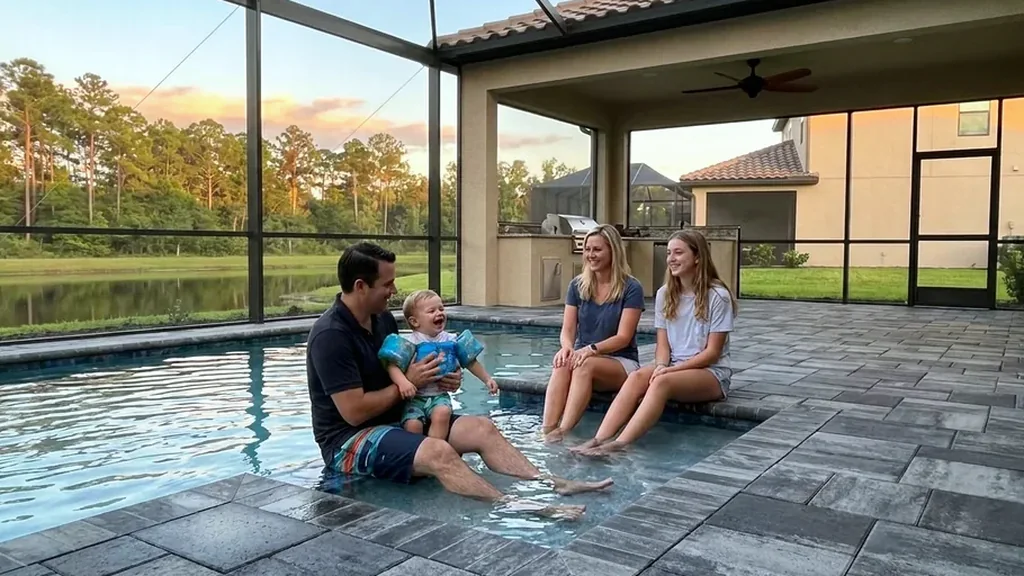
Why hire a local paver sealing contractor in Daytona Beach?
Daytona Beach homeowners call a local paver contractor for a reason: a barrier island, a river and older streets each shape how a job should go. To hear how that fits yours, request a free estimate.
A free look first
A contractor measures your Daytona Beach pavers and names a price for the whole job. The visit is free, and nothing is booked until you agree.
A published range
Companies near Daytona Beach publish $1.50 to $3.00 per square foot to clean, sand and seal. Hold your quote up against it.
Safe footing finishes
Smooth travertine and tight brick can get slick when wet under a gloss coat. Ask about matte or a traction additive.
Nothing locked in
You choose the date and the finish. Getting an estimate in Daytona Beach does not commit you to anything.
Get Your Free Estimate in Daytona Beach
Tell us about your pavers in Daytona Beach.
Free, no obligation
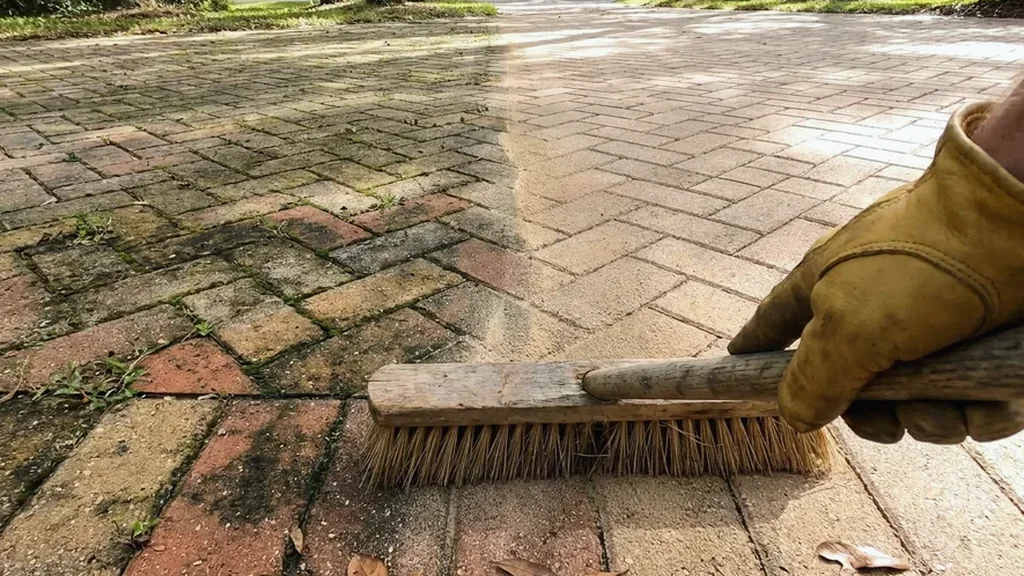
What paver problems show up most in Daytona Beach?
Gloss that turns slick
A Daytona Beach company warns that a glossy wet look on smooth travertine or tightly finished brick can feel slick after rain or splash. With 51.25 inches of rain a year, that matters here. Matte or natural finishes grip better, and a traction additive can be blended into the top coat. Pool decks and entry steps deserve the most thought. If you already have gloss on a walkway, test it wet before the next coat and say so on the call. Tell the contractor which areas are travertine or brick, since that changes both the sealer and the price.
Dark pavers in full sun
A wet look darkens the surface and can warm up darker pavers under full sun, the same company says. Daytona Beach has about 8 days a year at 95 degrees or more. Bare feet on a dark pool deck notice that. A natural finish stays more comfortable, which means the finish matters as much as the cleaning. Ask for a sample patch if you cannot decide, so you can see the color in your own light. Ask which finish the contractor would pick for your sun exposure, and why.
Slow-draining ground in Midtown
The Nova and Navy canals run along its west side. Pavers in low ground like that may stay damp, and sealer needs a dry surface. Expect a longer wait between the wash and the coat after heavy rain. A contractor who knows the area will check the lowest edge of your drive before booking a start. Check the garage apron and the street edge first after a wet week. The two sides of the city also dry at different speeds, so the date can differ for the same job.
Salt film and green in the shade
A Daytona Beach company says salt air near the Halifax River and the beach dulls color over time, while shaded areas hold moisture that feeds algae. Seabreeze Boulevard sits right between the Intracoastal Waterway and the beach. Salt film and green growth both have to come off first, since sealer locks in whatever is on the surface. Take a close look at the north side of the house and any wall that stays shaded all day. Sealer is easier to keep clean afterward, since a sealed driveway cleans up more easily than a bare one. That order of work is why the wash comes before any coat, a Daytona Beach company stresses. The Daytona Beach Historical District sits on the west bank of the river, while Seabreeze lies on the barrier island, so the two areas see salt in different amounts.
Units that sit empty
In 2020, 19.4 percent of Daytona Beach housing units were vacant. A unit that sits empty still gets rain, sun and salt, and nobody is there to notice the first green patch. A rental also has a gap between guests that suits a job. Plan the work for that gap, since pavers need about a day before cars return. Tell the contractor if a tenant or neighbor uses the drive, so the stay-off time is clear to everyone. A short visit before the guests arrive also catches the green patch while it is small.
Does living in the Seabreeze Historic District change how pavers are sealed?
It can. Seabreeze was added to the National Register of Historic Places on September 3, 1998, with 596 historic buildings across about 1,700 acres. Its styles include Queen Anne and later revival designs. Pavers beside old wood siding or masonry call for care with rinse water, so say you are in Seabreeze when you request a free estimate.
Seabreeze and Kingston were separate towns until they merged with Daytona and Daytona Beach in 1926. The Seabreeze district is bounded by University Boulevard, Halifax Road, Auditorium Boulevard and North Atlantic Avenue, and the Rogers development there dates to 1884. Ask the City of Daytona Beach whether any local historic review applies to exterior work at your address. Call (386) 270-5568 and give your cross streets.
On the mainland, the Midtown study area is bounded by Orange Avenue, Beville Road, Nova Road and Ridgewood Avenue. The ground there is flat and slow to drain, so drying time matters more than on the island. Four toll-free bridges link the two sides: Veterans Memorial, Broadway, Main Street and Seabreeze. Say if you are beachside or mainland when you request a free estimate.
What does paver sealing cost in Daytona Beach?
In the Daytona Beach area, companies publish $1.50 to $3.00 per square foot to clean, sand and seal. Porous materials such as travertine, natural stone and brick need different sealer chemistry, one Jacksonville guide says, and that raises the cost. Replacing lost sand and stripping a failed coat add more. To price your own pavers, request a free estimate.
Small entry walks cost more per square foot than a wide driveway, because prep time does not shrink with the area. Tight access on a crowded island lot can add setup time as well. Call (386) 270-5568 and ask which part of your quote is prep and which part is sealer.
| Paved area | Typical example | Clean, sand and seal |
|---|---|---|
| 300 sq ft | Small patio or walkway | $450 to $900 |
| 600 sq ft | Two car driveway | $900 to $1,800 |
| 1,000 sq ft | Large driveway or pool deck | $1,500 to $3,000 |
| 1,500 sq ft | Driveway plus pool deck | $2,250 to $4,500 |
Math based on the $1.50 to $3.00 per square foot that Northeast Florida paver companies publish. Your contractor sets the actual price after seeing the surface. Repairs, leveling and stripping failed sealer are usually extra.
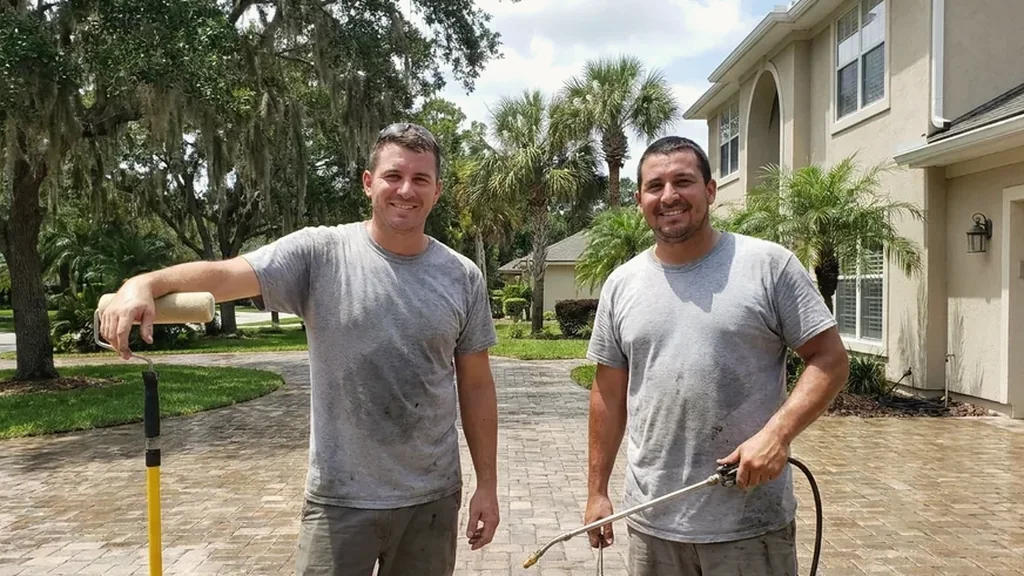
How does a paver sealing job work in Daytona Beach?
Check what the pavers are made of
The contractor notes whether the surface is concrete, brick or travertine, since each can take a different sealer. Loose stones and low spots are marked. If an old coat is there, water-based sealer cannot go over solvent-based sealer, so the old product is identified first. Tell the contractor about any past sealing work. Bring up any spots where the sealer looks patchy or peeling. Smooth stone near a pool or a front step gets the closest look, since it shows the difference first. Photos of old stains help the contractor choose the right cleaner. Brick and travertine are noted separately, since each is priced and sealed differently.
Clean off salt and growth
Salt film, green growth and dirt come off in the wash. Whatever is left would be sealed in, a Daytona Beach company points out, so cleaning decides the result. Rinse water stays off old wood siding and fresh paint. Shaded corners get a second pass. The wash also shows which stones are loose, which helps the sand step. That extra time is part of the price, which is why two quotes for the same square footage can differ. Smooth stone gets a gentler touch than rough concrete.
Re-sand every joint
Washing removes joint sand, so it is replaced. A St. Augustine company says joint sand is wet-sanded into every joint and the sealer then locks it in place. With flat ground and 51.25 inches of rain a year, full joints help the pavers hold together. Sand that goes in dry and gets wet-packed stays put through the next storm. The new sand is packed tight so the first heavy rain does not take it back out.
Hold off for the afternoon shower
Pop-up storms are common, and a good crew checks radar for a clear window so the coat can cure. Sealer needs a dry surface. In low parts of Midtown, the ground may stay wet after the sky clears. The work waits until the pavers are dry. A hand test on the lowest stones is a simple way to confirm they are dry. A late start is better than a rushed coat.
Choose the finish and add grip
On pool decks, steps and smooth stone, matte or a traction additive helps. Then the coat goes down. Feet are usually fine after a few hours, and cars wait about a day. Daytona Beach pavers commonly see two to five years between coats, and a Daytona Beach company suggests a light maintenance coat once water stops beading. Ask for the product name once the work is done. Plan your parking for the day, since the drive stays off limits for about 24 hours.
Complete paver services in Daytona Beach
Every Daytona Beach job follows one order of work: wash, sand, dry and seal. The wash handles salt film and green growth, and then the joints are refilled. Sealer goes on last, over a dry surface. To ask about timing for your lot, call (386) 270-5568.
Surfaces vary a lot in this city. Driveways may be concrete pavers, entries may be brick, and pool decks may be travertine. A gloss coat can be slick on smooth travertine or tight brick, so those surfaces may call for matte. Tell the contractor what you have when you request a free estimate.
A breathable water-based sealer suits most coastal homes, a Daytona Beach company says, and heavy coatings on damp pavers are a risk. Porous stone and brick can need a different chemistry. Ask the contractor which product goes on your surface and why. Call (386) 270-5568 to start that talk.
Summer brings the storms, and winter brings the dry days. Fall sealing protects pavers through the dry season, one Jacksonville guide says, and spring sealing locks in the surface before humidity peaks. Freezes average only 3 nights a year, so cold is rarely the concern. For a date, request a free estimate.
Questions to ask before you hire
- If a storm washes sand out of my joints, do I need to redo the whole job?
- Can you seal my beach walkover pavers without getting sealer on the dune grass?
- Will the wind blow overspray onto my neighbor's car, and what do you do about that?
- My driveway slopes toward the street after the last flood, so can you tell if sealing will help or if the base needs work?
- Can you work around my guests' check-out and check-in days at my rental?
- Does a sealed surface get hot enough to hurt my dog's paws in August?
- If a pop-up shower hits mid-job, how do you decide whether to stop or keep going?
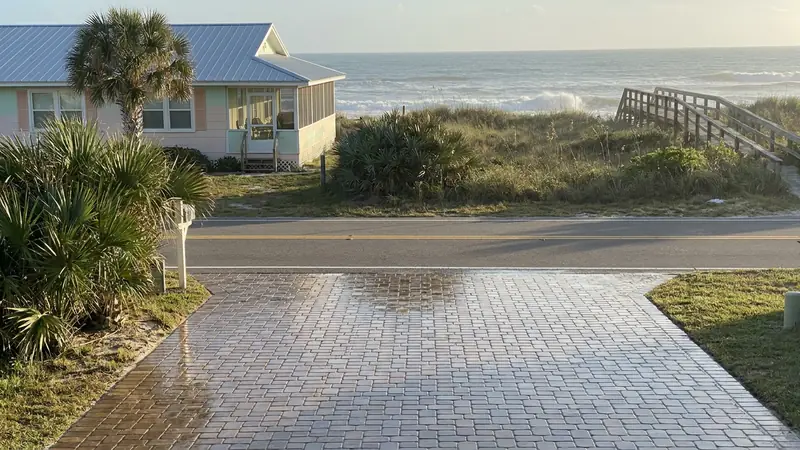
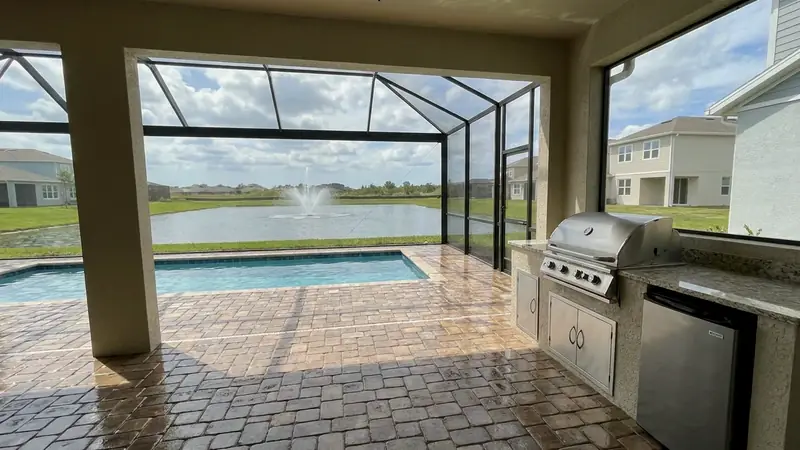
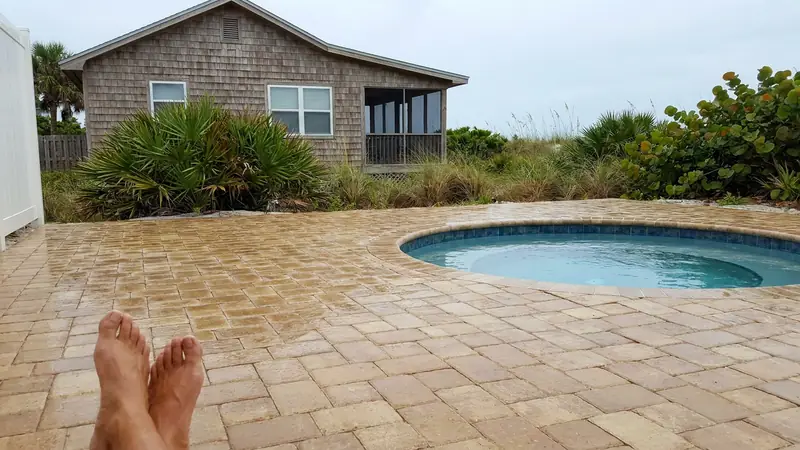
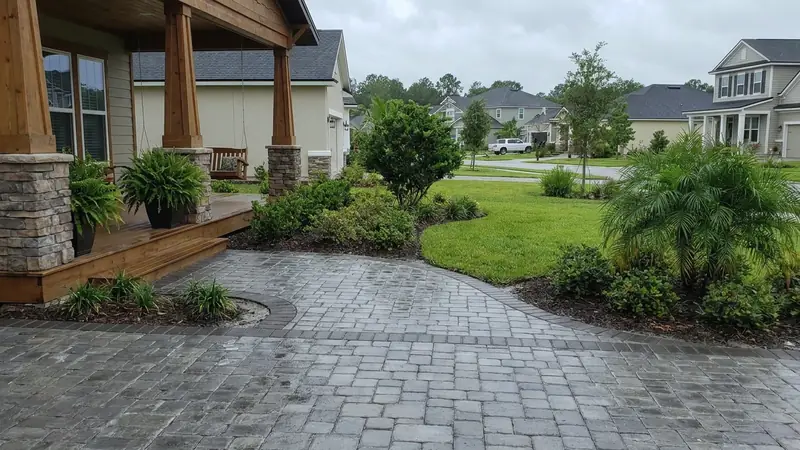
What do sealed pavers look like around Daytona Beach?
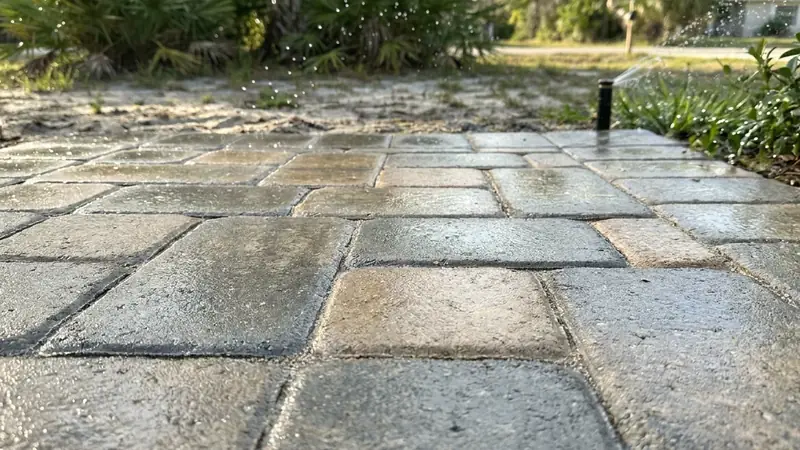
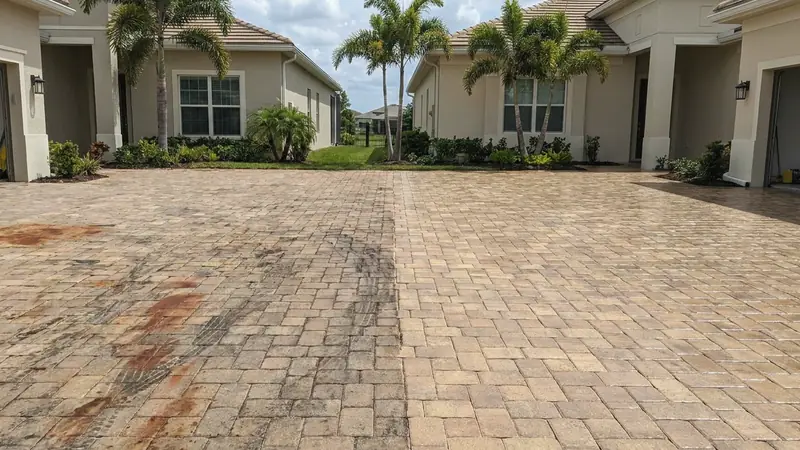
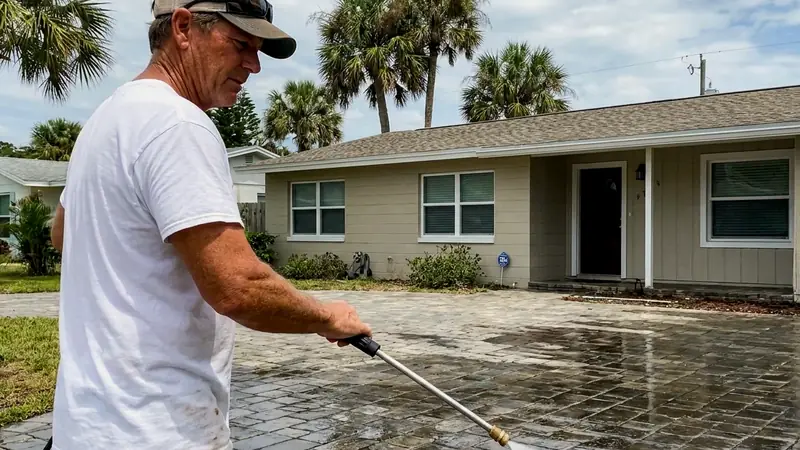
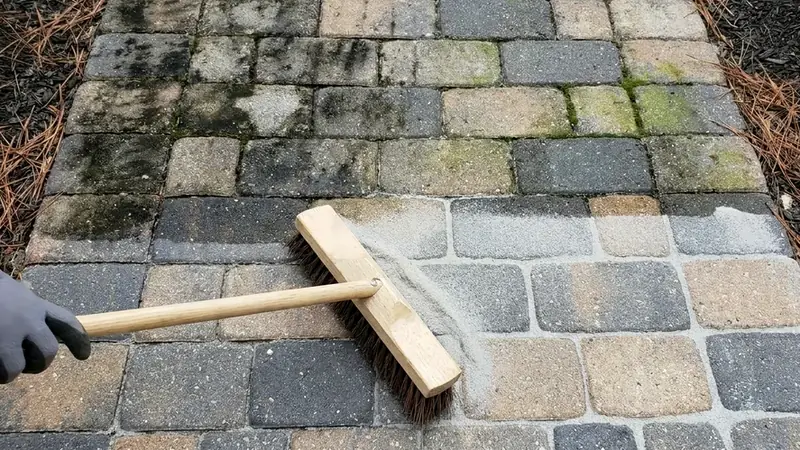
Why local matters in Daytona Beach
A contractor who knows Daytona Beach knows the city has two halves. The Halifax River splits it into beachside and mainland blocks, and four toll-free bridges connect them. Access, parking and drying time differ on each side. To reach a contractor who works both, call (386) 270-5568.
Local knowledge also covers older housing. Seabreeze, with 596 historic buildings, has old siding and masonry that need gentle rinsing. A crew used to that keeps water and sealer off the walls. You can request a free estimate and mention your house's age.
Midtown's flat, slow-draining ground is another reason to hire locally. After heavy rain or a high tide, driveways there can take longer to dry. A local contractor builds that wait into the schedule. Call (386) 270-5568 and ask how the contractor handles a wet week.
How did Daytona Beach's older neighborhoods come together?
Daytona Beach started as separate places, and its map still shows it. Seabreeze and Kingston were their own towns until they merged with Daytona and Daytona Beach in 1926. The Rogers development in Seabreeze dates to 1884, and the Daytona Beach Historical District sits on the former Orange Grove Plantation. If your home is in one of these older areas, request a free estimate.
Today the Halifax River lagoon splits the city, with the Atlantic on the far side. Seabreeze Boulevard runs between the Intracoastal Waterway and the beach, and Bethune-Cookman University is in the city too. The Veterans Memorial, Broadway, Main Street and Seabreeze bridges carry traffic across the water. If you are near any of these, call (386) 270-5568 and name your cross streets.
Frequently Asked Questions
Is it good to seal pavers in Daytona Beach?
Usually yes. Sealer slows color loss from sun and salt, and a sealed surface rinses clean more easily. The trade-offs are upkeep and finish, since gloss can feel slick when wet on smooth stone. Ask for matte near pools and steps.
How long do paver sealers last in Daytona Beach?
Companies commonly quote two to five years. A Daytona Beach company suggests a light maintenance coat once water stops beading, and a Jacksonville company says most driveways are resealed about every two to three years. Sun and tires push the interval shorter.
How much does it cost to have pavers cleaned and sealed in Daytona Beach?
The published range runs $1.50 to $3.00 per square foot around Daytona Beach. Porous materials such as travertine and brick use different sealer chemistry, which raises the cost, a Jacksonville guide says. Ask for the total area and the product named in your quote.
Why does paver sealing cost so much in Daytona Beach?
Most of the price is labor and prep: washing, treating stains, re-sanding and waiting for a dry window. Film-forming sealers run higher than penetrating ones. Old sealer that must be stripped adds more.
Is a wet look or matte finish better for Daytona Beach pavers?
It depends on the surface. A wet look deepens color but can warm dark pavers in full sun and feel slick on smooth stone when wet, a Daytona Beach company says. Matte or natural grips better and shows scuffs later. Pool decks usually call for matte.
Do Seabreeze Historic District homes have special sealing rules?
Check with the City of Daytona Beach. Seabreeze is on the National Register of Historic Places, listed in 1998, and the city may have its own review for exterior work. Ask before you pick a new color or finish. The contractor can describe the work in the quote.
Does flooding in Midtown affect paver sealing?
It can add drying time. Midtown is a low, flat basin where water drains slowly and high tides can push water back into streets. Pavers need to be washed and fully dry before sealing, so a wet week pushes the date back.
Can sunken pavers be sealed in Daytona Beach?
Not until they are reset. A St. Augustine company says sealing does not fix sinking, heaving or rocking pavers. An installer resets them first. Mention any dips while you walk the surface with the contractor.
Does salt air near the beach change how often Daytona Beach pavers need sealing?
It can shorten the span. A Daytona Beach company says salt air near the river and the beach dulls color, and sun fades open driveways. Two to five years between coats is common, so a beachside driveway may belong toward the shorter end.
Can I seal pavers around a Daytona Beach pool deck?
Yes, with care for grip. A Daytona Beach company recommends natural or matte finishes near pools because they keep feet secure, and it suggests a traction additive. Washing comes first, and the deck must be dry before the coat goes on.
How soon can I use my Daytona Beach driveway after sealing?
A Jacksonville company says walking is usually fine within a few hours, while vehicles need about a day. Humid afternoons and shade can slow the cure. A call to the contractor settles the exact time for your drive.
Can pavers at a Daytona Beach rental be sealed between guests?
Yes, with a plan. Walking is usually fine within a few hours and vehicles wait about a day, a Jacksonville company says, so a short gap can work. In 2020, 19.4 percent of Daytona Beach housing units were vacant. Give the contractor access and a dry day.
Ready for a Free Estimate in Daytona Beach?
Call (386) 270-5568 and tell us about your pavers.
Free, no obligation