
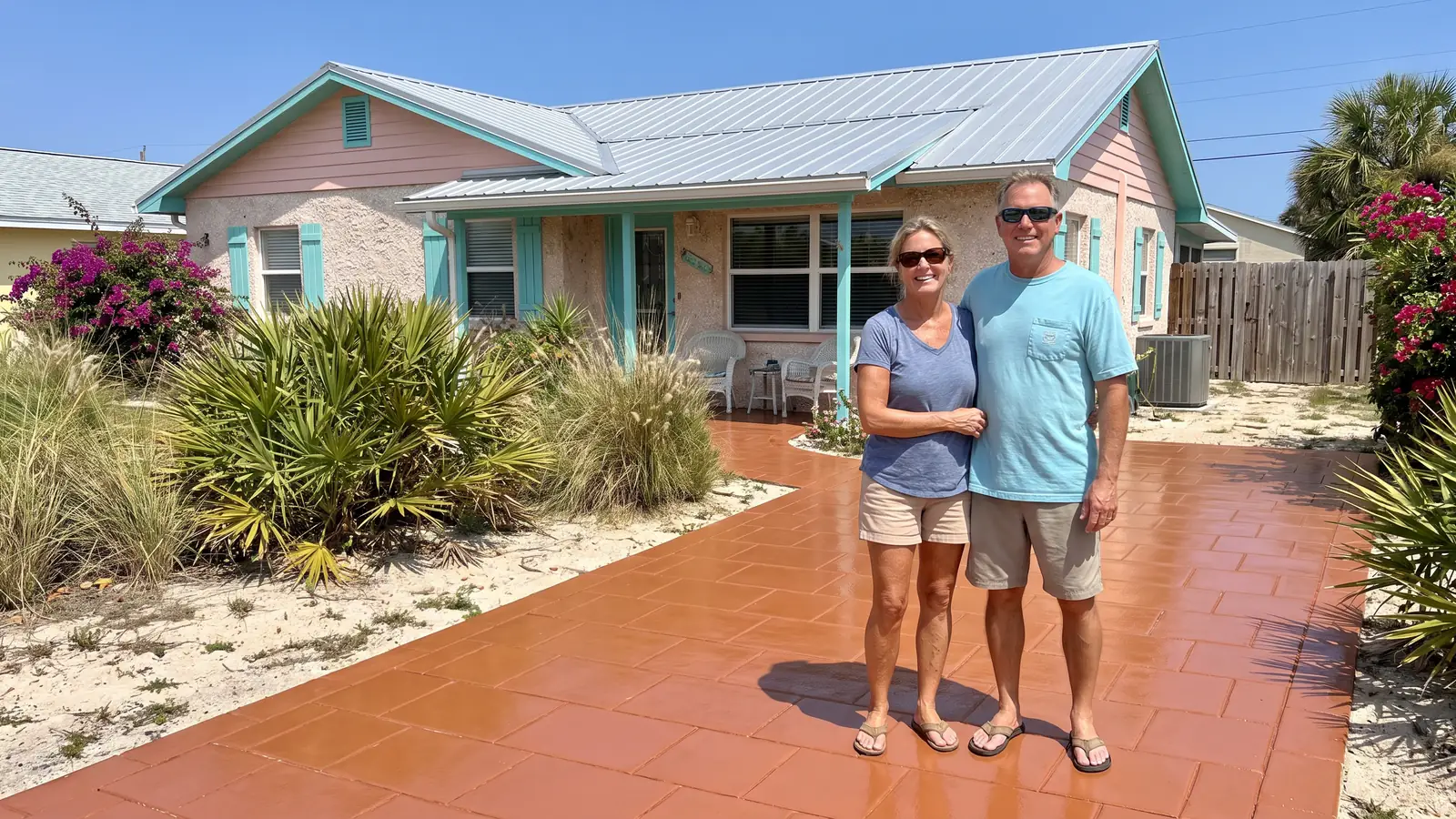
Paver sealing for South Daytona homes
Paver Sealing in South Daytona, FL
South Daytona is about 26 percent water, so call (386) 270-5568 for a free sealing estimate before the next rainy spell.
- Brings out deeper paver color
- Fresh joint sand helps lock pavers in place
- Gives weeds less room to grow
- Makes the surface easier to keep clean
- Free estimate, no obligation
Request a Free Estimate
Free, no obligation.
Fast, careful paver sealing in South Daytona
South Daytona homeowners can book paver sealing for driveways, patios, pool decks and walks, starting with a free estimate. A local contractor cleans the pavers, replaces the sand and applies the sealer. Call (386) 270-5568 and a South Daytona answer arrives within 1 business day, usually much sooner.
Say you spent the winter away, and now the driveway is green at the edges and the joints have gone to weeds. That happens when pavers sit through a wet season with nobody looking. A wash, fresh sand and a coat of sealer give you a clean surface to come home to. To start, you can request a free estimate and note when you will be around.
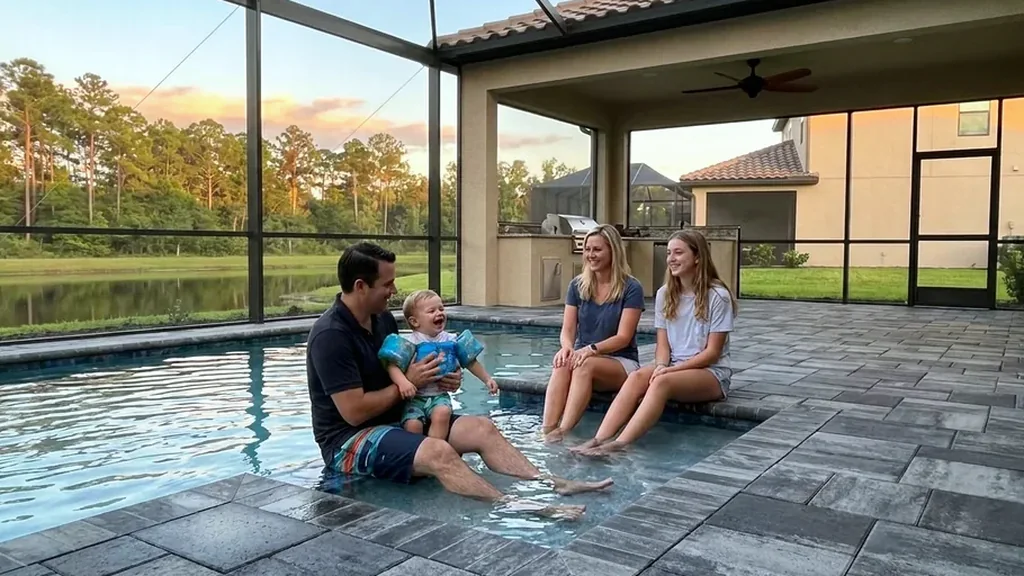
Why hire a local paver sealing contractor in South Daytona?
South Daytona homeowners choose a local paver contractor because water is never far away here, and it shows on pavers. To see what that means on your street, request a free estimate.
A free price first
A contractor looks over your South Daytona pavers and prices the whole job. The visit is free and carries no obligation.
A range to check against
Quotes around Daytona usually sit between $1.50 and $3.00 per square foot for cleaning, sanding and sealing. Use that to check any South Daytona bid.
Away part of the year?
Some homes here sit empty for stretches. Tell the contractor your schedule and plan the work around it.
A finish you pick
Matte or wet look is your call. A wet look deepens color and shows scuffs sooner than matte does.
Get Your Free Estimate in South Daytona
Tell us about your pavers in South Daytona.
Free, no obligation
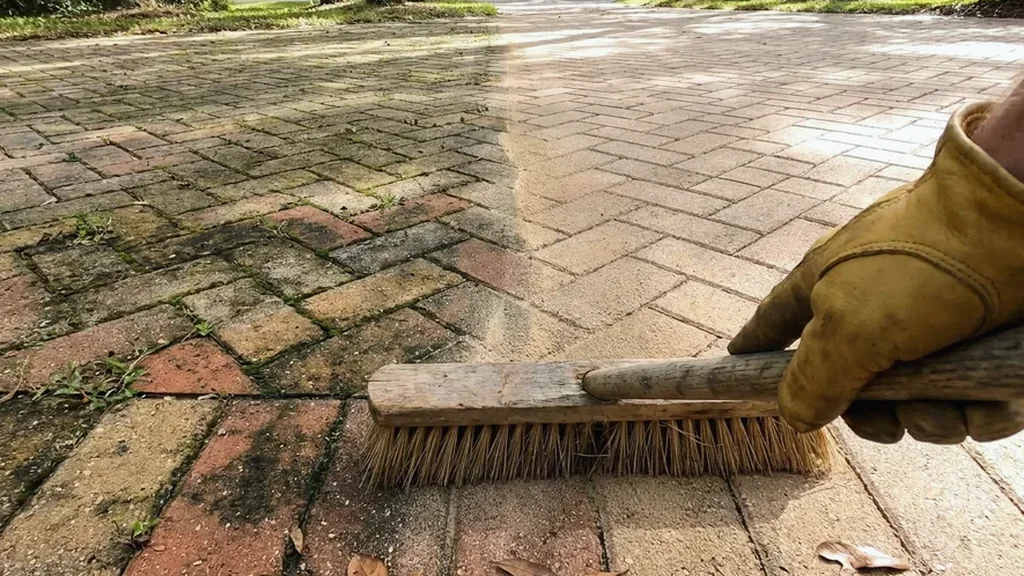
What paver problems show up most in South Daytona?
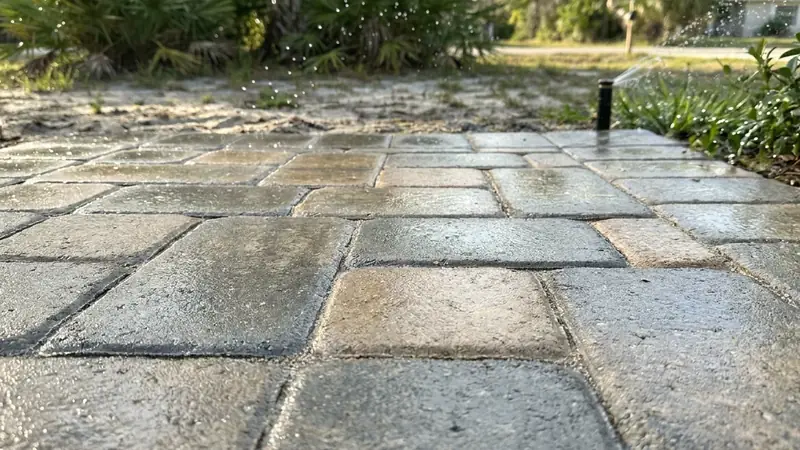
Sprinkler spray that leaves rust
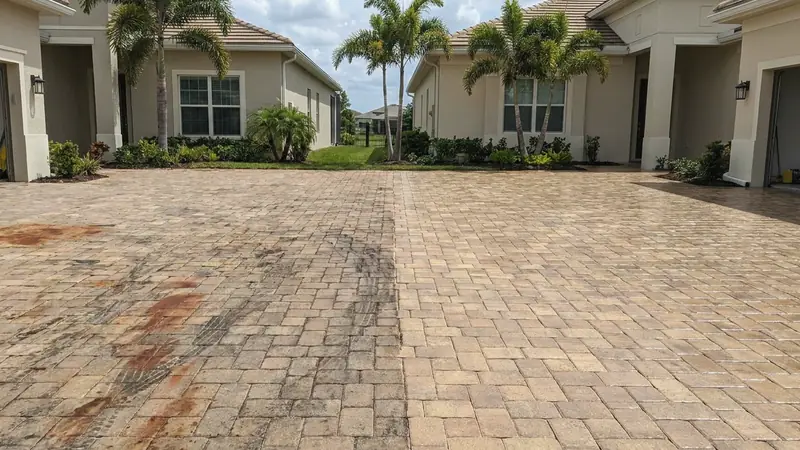
A Palm Coast company lists irrigation stains and rust stains among common paver problems in the Flagler area. A sprinkler timer keeps firing whether or not anyone is home, so the same patch of pavers gets sprayed again and again. Rust marks have to be treated before sealing, because sealer would lock them in. Turn heads away from the pavers where you can. Ask the contractor to look at the spots nearest the heads, since stains show up there first. A short walk around the yard at estimate time takes a few minutes. Pool splash is another stain source that company lists, so decks near the heads deserve a look too. A quick check of any heads that point at the drive solves many stains before they start.
Water close on every side
South Daytona covers 5.0 square miles, and 1.3 of them are water, about 26 percent. The city sits on the Halifax River at an average elevation near 6.5 feet. That much water keeps the air humid, and a Daytona Beach company says shade keeps moisture on the surface, and algae feed on it. The green side of the house is usually the shady side. Wash that side first and check it again after the coat, since damp corners are where green returns. Sealed pavers also rinse clean more easily, one Jacksonville company says. Reed Canal Park's 10-acre lake is one visible example of how much water sits inside the city limits. Damp air slows drying even on clear days, which is worth knowing before you pick a date.
Joints that hard rain empties
Nearby Daytona Beach gets 51.25 inches of rain a year, and afternoon storms arrive without much notice. A St. Augustine company says play sand does not belong between pavers, so a joint filled with it can empty fast. Washing removes some sand anyway. Fresh joint sand goes back before the coat, and the sealer then holds it in place. Pavers along a downspout or a low edge lose sand first. Point those out on the walk-through. That extra step is worth the time. Narrow joints and wide joints lose sand at different rates, so the contractor checks both. Downspouts and the street edge lose sand first, so the contractor looks there.
Sun that fades open driveways
A Daytona Beach company says UV fades pigment on open driveways. Nearby Daytona Beach sees about 8 days a year at 95 degrees or more, and the sun is strong all summer. A driveway that faces the street with no shade takes all of it. Sealer gives the color a layer to wear through first. Matte keeps that color calm, while a wet look deepens it and can run warm in full sun. Pick the look that suits the way you use the drive. Ask the contractor which finish suits your sun, and how it will look after a summer. The 95-degree figure belongs to nearby Daytona Beach, but South Daytona sits next door and shares the same sun.
Empty weeks between owners and tenants
In 2020, 13.5 percent of South Daytona housing units were vacant, and the rental vacancy rate was 12.6 percent. A unit that sits between tenants still gets rain, shade and sprinkler spray. Growth that has weeks to spread needs more washing. Book the job for the gap, since pavers need about a day before cars return. Tell the contractor if a neighbor, a property manager or a tenant has the keys, so access is clear on the day. Photos of the drive taken between tenants make the estimate easier. Time the work for a dry week so the pavers are ready before the next guests arrive.
How much of South Daytona is water, and does it matter for my pavers?
About 26 percent of the city is water, 1.3 of its 5.0 square miles. South Daytona sits on the Halifax River just south of Daytona Beach, at an average elevation of about 6.5 feet. Low, wet ground keeps humidity high, which means pavers dry more slowly after a storm. When you request a free estimate, say how near the water your home sits.
Reed Canal Park shows the mix of land and water. It covers 35 acres at 919 Reed Canal Road, with a 10-acre lake, walking and biking trails, a lighted soccer field and four pavilions. Homes near the park and the lake feel that damp in the shade. Call (386) 270-5568 and mention the park if it helps place your street.
The city has nearly 44.5 miles of roadway, and Nova Road, also State Road 5A, runs past Reed Canal Park. Share your street and the closest cross street when you request a free estimate. That helps place your lot and plan how to reach it. Streets near the water are often the ones to mention first.
What does paver sealing cost in South Daytona?
Expect a South Daytona price inside the $1.50 to $3.00 per square foot range that companies near Daytona publish for cleaning, sanding and sealing. Your total depends on area, sand loss, stains and old sealer. A Jacksonville guide says failed sealer must be stripped first, and that adds cost. To see yours, request a free estimate, and the estimate is free.
Rust marks and thick green growth mean more washing time. A short front walk costs more per square foot than a long drive, since prep does not shrink with the area. Call (386) 270-5568 and ask the contractor to name the items that drive your number. Moving cars and clearing the drive the night before saves setup time.
| Paved area | Typical example | Clean, sand and seal |
|---|---|---|
| 300 sq ft | Small patio or walkway | $450 to $900 |
| 600 sq ft | Two car driveway | $900 to $1,800 |
| 1,000 sq ft | Large driveway or pool deck | $1,500 to $3,000 |
| 1,500 sq ft | Driveway plus pool deck | $2,250 to $4,500 |
Math based on the $1.50 to $3.00 per square foot that Northeast Florida paver companies publish. Your contractor sets the actual price after seeing the surface. Repairs, leveling and stripping failed sealer are usually extra.
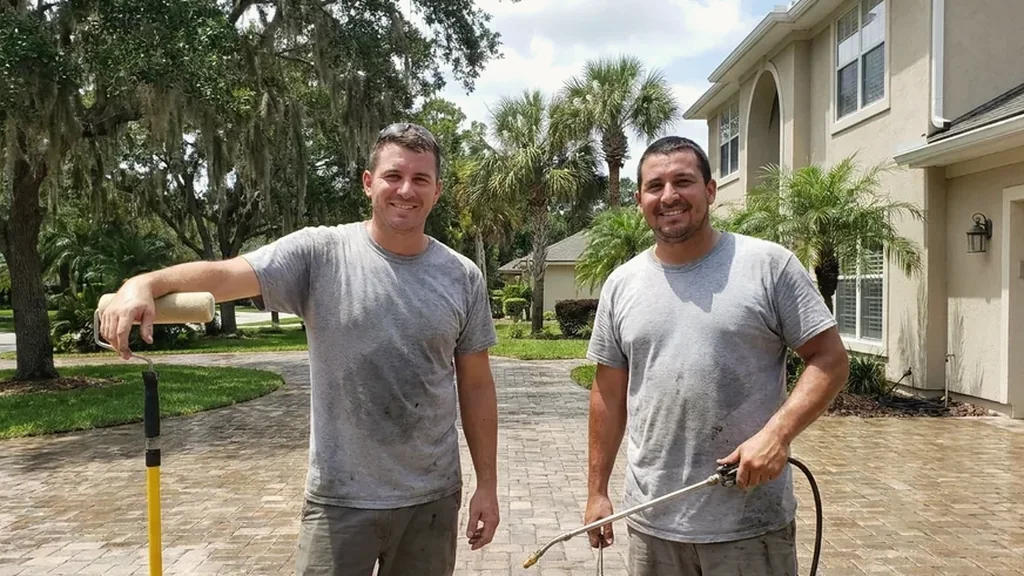
How does a paver sealing job work in South Daytona?
Look at the lot and the schedule
The contractor walks the pavers and notes the material, the old coat and any dips. You say when you will be home or away, so the work lands on a dry day. A past solvent-based coat blocks a water-based one, so the contractor finds out what is down. Turn off the sprinklers for the visit. A few photos of the surfaces help the contractor plan before the visit. A list of past trouble spots saves time. Photos of past trouble spots help if you are away. Notes on gate or key access go in at this visit too.
Treat stains, then wash
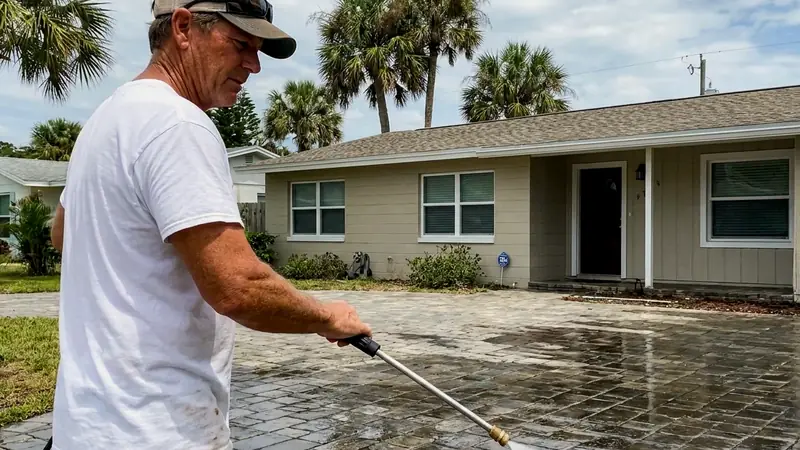
Rust marks from sprinklers get treated first. The wash then lifts green film and dirt from the drive, the walk and the pool deck. Leftover growth would be sealed in, a Daytona Beach company points out. Careful rinsing keeps water off windows and screens. Pool decks get a gentler pass than a driveway, and the rinse water is kept away from screens. Smooth pool-deck stone gets a lighter touch than a rough driveway. A second rinse removes loosened grit before it dries.
Fill the joints with sand
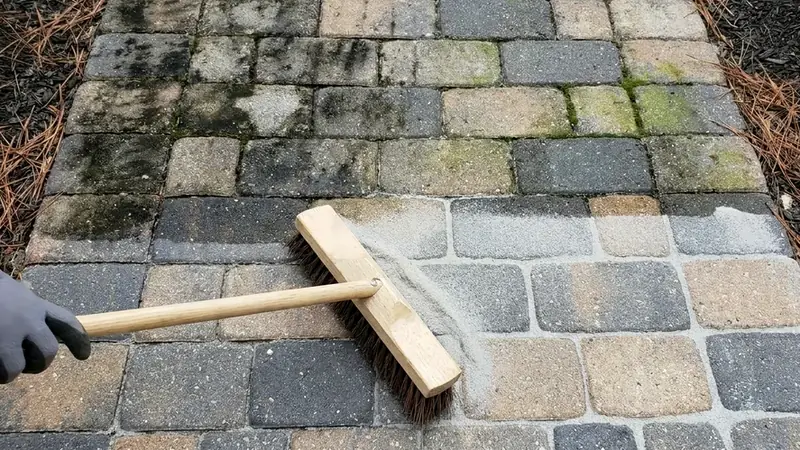
Sand comes out with the wash and goes back in before sealer. A St. Augustine company notes that joint sand goes in wet and the sealer locks it there. With about 51 inches of rain a year in nearby Daytona Beach, those joints get tested. Packed joints also keep the stones from shifting under a car tire. Narrow joints take less sand than wide ones. Joints along the street edge usually need the most sand.
Switch off the timers and wait for dry
Sealer needs a dry surface, so sprinkler timers should be off the night before and the day of. The contractor also watches the radar, since afternoon storms are common. A low yard near the water may need extra time. The work waits for dry pavers. If the yard is still wet, a hand test on the lowest stones settles it. Touching the lowest stones shows whether they are dry. A damp morning after rain means waiting.
Seal and plan the stay-off time
The finish goes on as matte or wet look, your pick. Feet are fine after a few hours, and cars need about a day to stay off. Two to five years between coats is commonly quoted, and a Palm Coast company says 3 to 5 for many surfaces. Turn the sprinklers back on once the contractor says the surface is ready. Ask for the product name and the date, so the next coat matches. Write down the product name and the date for the next coat. Leave the sprinklers off until the contractor says the surface is ready.
Complete paver services in South Daytona
The order of work is look, wash, sand, dry and seal. Sprinklers go off before the wash and come back on after the coat has set. Sealer is last, so nothing dirty is trapped under it. Call (386) 270-5568 to set up that sequence.
Driveways and walks near the street collect road film, while pool decks and lanais collect splash and damp. Each gets a wash that fits it, and pavers under a screened lanai stay damp longest. Matte is a good pick near water because it grips. Name the surfaces you have when you request a free estimate, and the contractor will plan from there.
A breathable water-based coat is often chosen along Florida's coast, and a solvent-based coat from an earlier owner would rule it out. Penetrating sealers cost less up front and wear out sooner, while film-forming ones cost more and give a wet look. Ask which kind is in your quote. Call (386) 270-5568 for a plain answer.
Fall and spring give steadier weather for sealing, one Jacksonville company says. In South Daytona, pick a window when you are home to move cars and turn off timers. If a storm rolls in, the date moves, so keep a day or two free. To pick a window, request a free estimate.
Questions to ask before you hire
- I live a block off A1A and salt spray coats everything, so does that change which sealer you pick?
- My driveway slopes toward the street after the last flood, so can you tell if sealing will help or if the base needs work?
- How do you handle the rust stains from a sprinkler on well water?
- What time of day do you start, given how humid the mornings get here?
- Do you charge extra for pavers that sit under a beach house raised on pilings?
- If a storm washes sand out of my joints, do I need to redo the whole job?
- Can you add a non-slip finish where my outdoor shower drips onto the pavers?
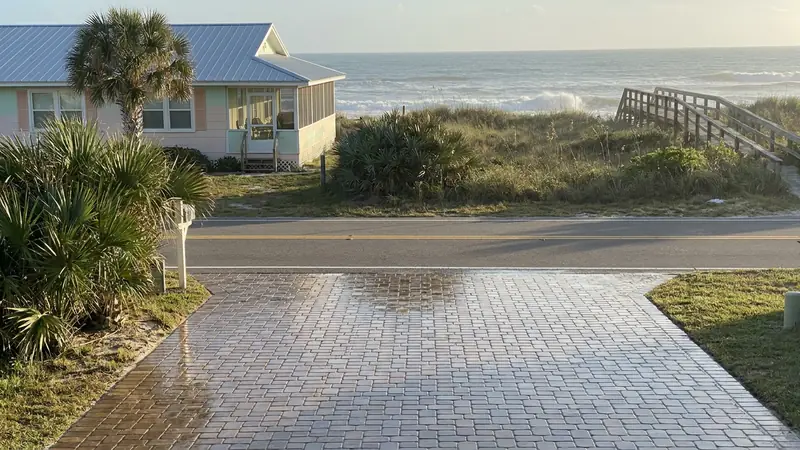
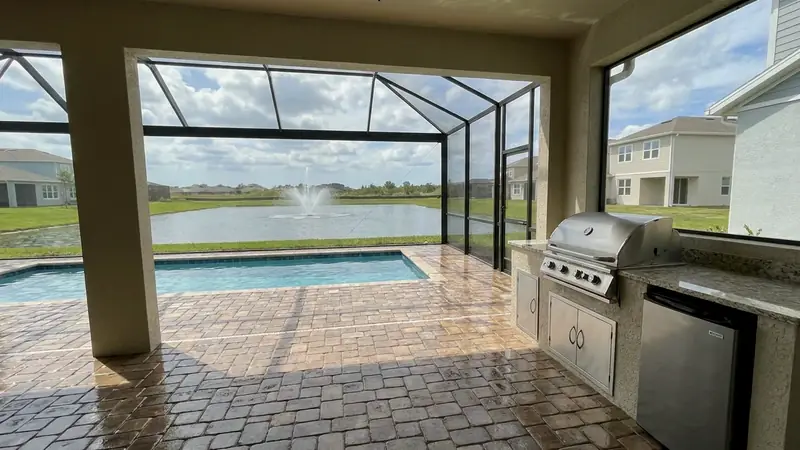
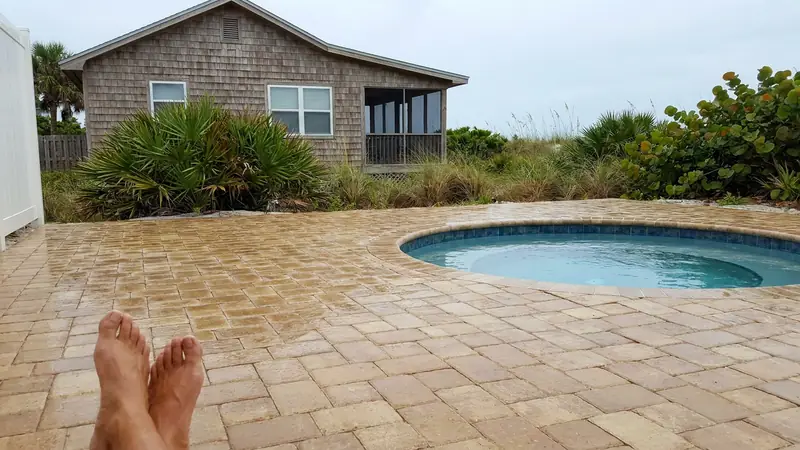
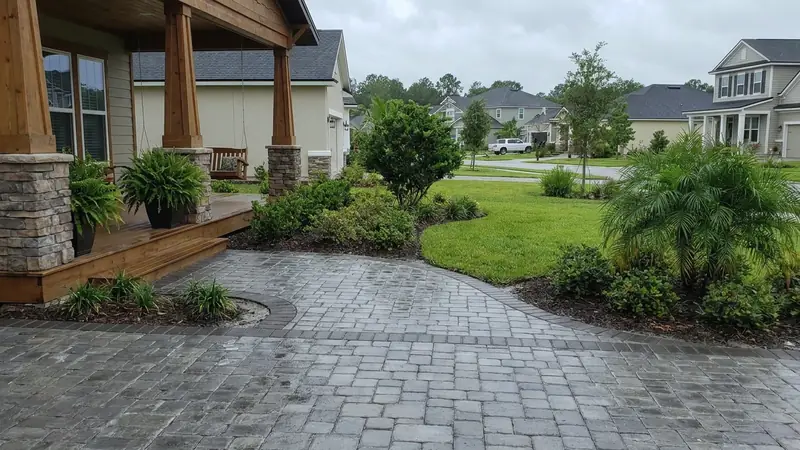
What do sealed pavers look like around South Daytona?
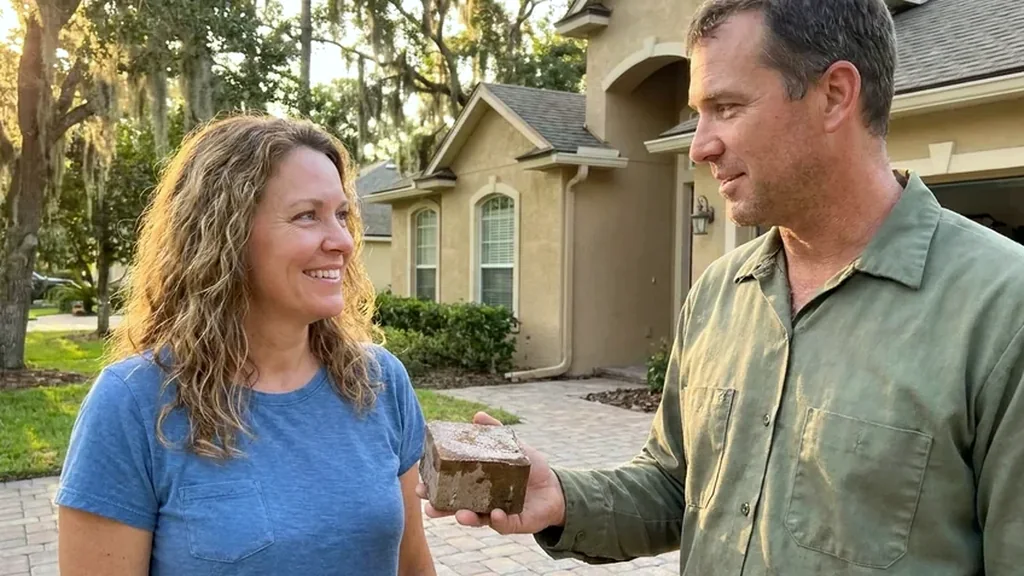
Why local matters in South Daytona
A contractor who works South Daytona knows the city is about a quarter water and low to the ground. That tells them to ask about drainage and shade before pricing. A crew from far away may price the job without asking. To reach someone local, call (386) 270-5568.
Local also means knowing how part-time owners live. With 13.5 percent of housing units vacant in 2020, plenty of homes sit empty for months. A contractor used to that can set a date around your travel and confirm water and access. You can request a free estimate and share your dates.
Sprinklers are a local issue too. Timers fire on schedule whether or not anyone is home, and the spray can leave rust marks on pavers. A local contractor should ask about them at the estimate. Call (386) 270-5568 and mention where the heads are.
Where did South Daytona come from, and does it matter for my pavers?
South Daytona began as a town called Blake, named for Boston businessman Alpheus Blake. Its first post office opened on August 19, 1878. Around 1938 residents broke away from Daytona Beach, and it became the City of South Daytona in 1951. If your home is on one of the older streets, request a free estimate.
Today the city runs on a city manager and council, in place since 1980. About 12,865 people lived here in 2020, with a median age of 48.7. Reed Canal Park, the Halifax River and Nova Road mark the map for most residents. Near any of them, call (386) 270-5568 and give your street and the nearest cross road.
Frequently Asked Questions
Is it a good idea to seal pavers in South Daytona?
Yes, if the surface is clean and dry when the coat goes on. Sealer helps against sun, rain and damp, and sealed pavers rinse clean more easily. The trade-off is a repeat coat after a few years.
What should I expect to pay to have pavers cleaned and sealed in South Daytona?
Companies serving the Daytona area publish $1.50 to $3.00 per square foot. Small jobs run higher per square foot because prep time stays the same as the area shrinks. Ask for the total area and the finish in the quote.
Why does paver sealing run so high in South Daytona?
The cost is mostly time. The crew washes, treats stains, re-sands the joints and waits for dry weather. Old sealer that has to be stripped adds more, and wet-look film-forming coats cost more than penetrating ones.
Is it better to spray or roll sealer on South Daytona pavers?
An even coat that reaches the joints matters more than the tool, and the choice is the contractor's. Ask how the work is applied and what product goes down. Either way the surface has to be dry.
Can sprinklers stain my South Daytona pavers?
Yes. A Flagler-area company lists irrigation stains and rust stains among common paver problems. Stains are treated before sealing, since sealer would lock them in. Aiming heads away from the pavers helps keep new marks from forming.
Can pavers be sealed while I am away from my South Daytona home?
Often yes, with a plan. The contractor needs access, water and a dry day, and sprinklers need to be off. Ask how to arrange access when you request the estimate.
How long does sealer last in South Daytona?
Expect somewhere from two to five years. A Jacksonville cost guide says driveways and pool decks often need it nearer three years, while shaded patios and walkways reach closer to five. Sun, tires and splash push the span shorter.
What happens if it rains right after sealing in South Daytona?
Rain on fresh sealer can cause trouble, which is why crews check the radar. A Daytona Beach company says thick coats on wet pavers can go wrong and that a clear window lets sealer cure. If a storm arrives, the contractor reschedules.
What happens at a South Daytona sealing estimate?
The contractor looks over each surface and measures the area. Notes go down on the material, the old coat and any dips or loose stones. You leave with a price for the whole job and a plain description of the finishes, and you can think it over at home.
Should I turn off my sprinklers before a sealing job in South Daytona?
Yes. Sealer needs a dry surface, and a timer that fires in the morning can wet the pavers or ruin a fresh coat. Turn the system off the night before and leave it off until the contractor says the surface is ready. Then switch it back on and aim heads away from the pavers.
Do pool decks in South Daytona need a special finish?
They need grip. A Daytona Beach company recommends natural or matte finishes near pools because they keep feet secure, and it suggests asking about a traction additive. Splash keeps decks damp, so the contractor must wait for a fully dry surface before sealing.
Will sealing fix pavers that have sunk in South Daytona?
No. A St. Augustine company says sealing does not fix pavers that are sinking, heaving or rocking, and an installer has to reset them first. Low, wet ground makes dips more likely near downspouts and the street edge. Point them out so they are fixed before the coat.
Ready for a Free Estimate in South Daytona?
Call (386) 270-5568 and tell us about your pavers.
Free, no obligation