
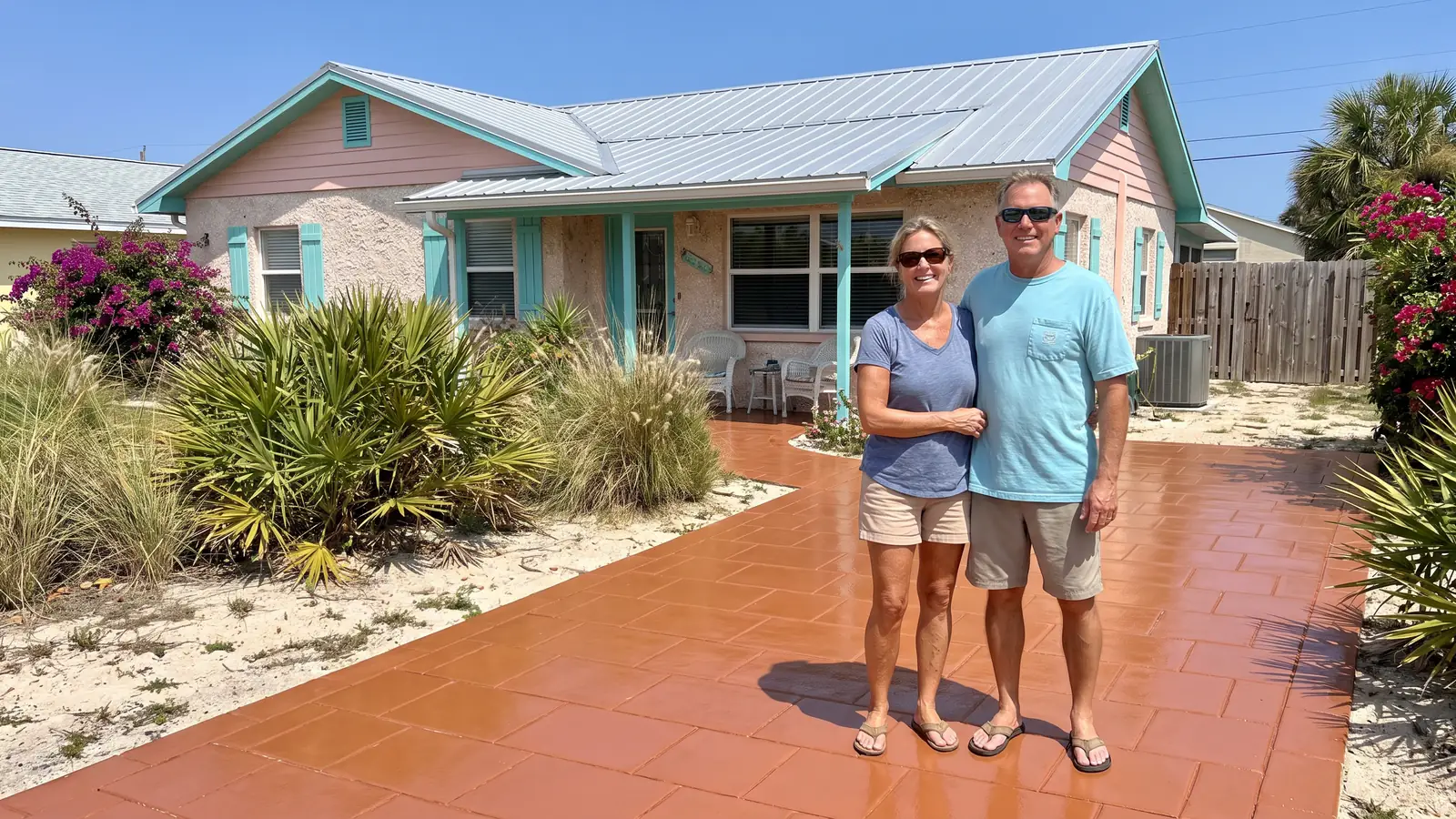
Paver sealing for Palatka homes
Paver Sealing in Palatka, FL
Palatka rain can wash sand out from under your driveway, so call (386) 270-5568 for a free paver sealing estimate.
- Brings out deeper paver color
- Fresh joint sand helps lock pavers in place
- Gives weeds less room to grow
- Makes the surface easier to keep clean
- Free estimate, no obligation
Request a Free Estimate
Free, no obligation.
Fast, careful paver sealing in Palatka
Looking for paver sealing in Palatka? A local contractor will clean the stones, replace lost sand and put on a coat, and quotes the work free of charge. Phone (386) 270-5568 to hear back within 1 business day, often sooner.
Water in Palatka tends to move, over the pavers and under them. After a hard rain it can carry away the sand that holds your driveway tight. A fresh wash, new sand and a coat put that back, so request a free estimate and ask what your pavers need.
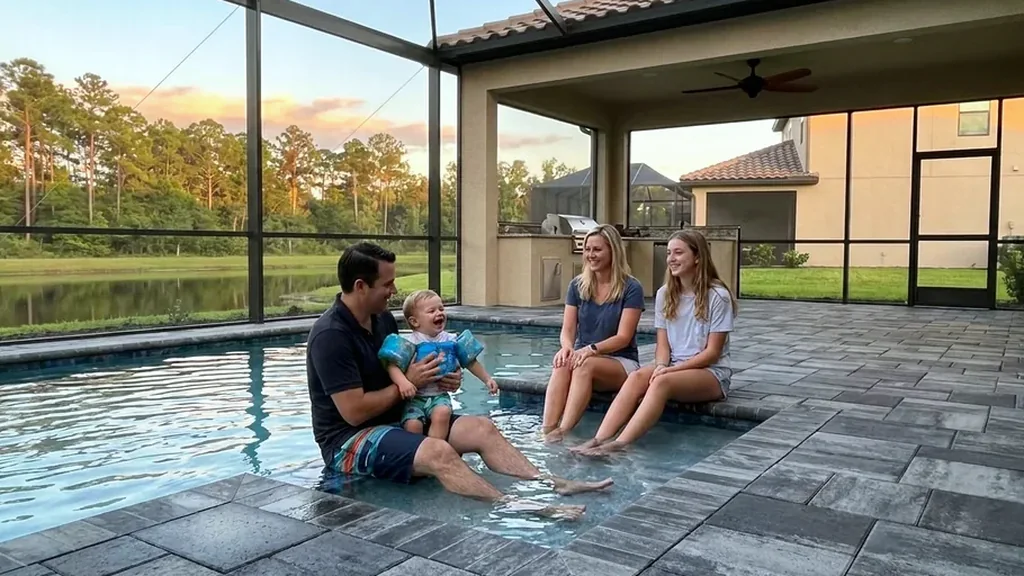
Why hire a local paver sealing contractor in Palatka?
Palatka owners tend to hire locally because river weather and hard rain decide how a driveway ages. To hear how that applies on your street, call (386) 270-5568.
Water first
Before quoting, the contractor watches where rain runs across your drive. That shows where sand leaves first.
Posted prices
In this corner of Northeast Florida, companies post $1.50 to $3.00 per square foot for the clean, sand and seal.
Stains treated
Orange sprinkler streaks come out in the wash, never under the sealer.
Free, then your decision
Nothing is owed for the estimate, and the finish and date stay yours.
Get Your Free Estimate in Palatka
Tell us about your pavers in Palatka.
Free, no obligation
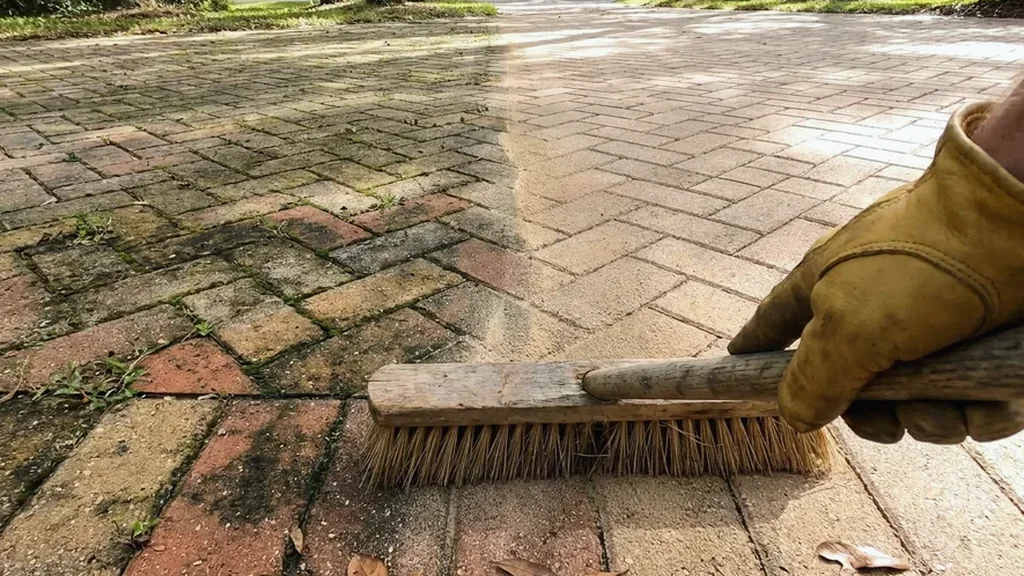
What paver problems show up most in Palatka?
Rain that carries joint sand away
Palatka averages 52.87 inches of rain a year, with the heaviest months from June to late September. A Jacksonville paver company says washouts and sunken pavers happen when unsealed joint sand washes out and rain reaches the base. Ravine Gardens shows what moving water can do to sand. The contractor refills your joints before sealing. Pavers near a downspout, a gutter outlet or the low corner of a drive tend to empty first, so the crew checks those spots with extra care. A driveway that looks tight on top can still be hollow in the joints. Ravine Gardens, with its spring-fed Whitewater Branch, is a reminder of how much sand moving water can carry. Heavy summer downpours can move sand off a slope in a single storm, and the loss is easy to miss until a weed shows up.
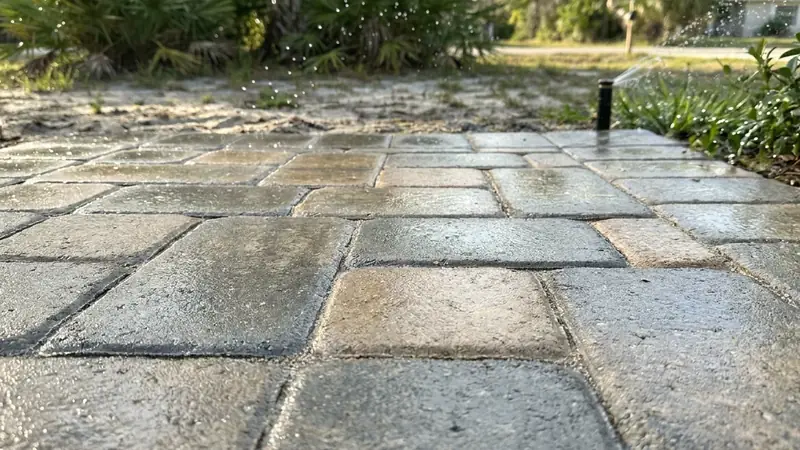
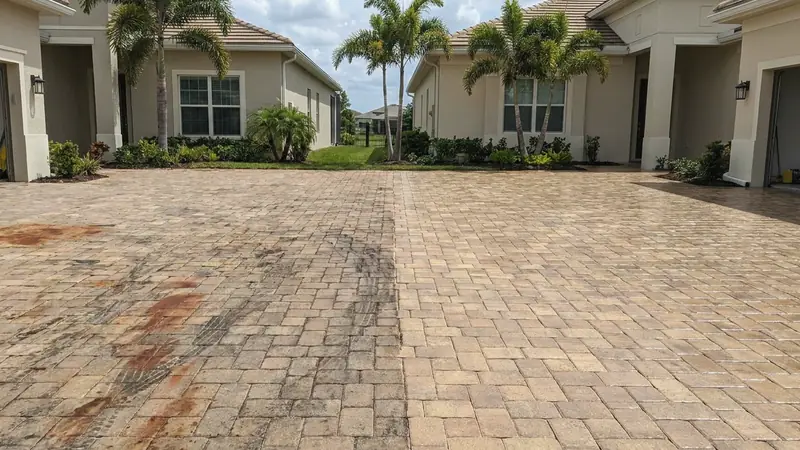
Orange streaks from sprinkler water
Most Florida well water is high in iron, and irrigation that uses it leaves orange streaks on pavers. The marks show up along walks and driveway edges near the lawn. Sealer would lock the stain in. The wash stage treats it first, so ask the contractor to look at those spots. Pool decks and entry walks collect the same streaks when a sprinkler overshoots the lawn. Mention where your heads point, and the contractor can plan the rust treatment ahead of time.
Green film where the ground stays damp
Algae on pavers usually signals a damp, heavily shaded spot. In a damp Palatka corner, the film can appear fast in the rainy season. It makes a walkway slick underfoot. A wash clears it, and a matte coat helps the surface shed water. Pavers on the north side of a house or under a screen porch often stay damp the longest. Those are the spots to point out at the estimate, along with any place where kids or guests tend to slip.
Silt after high water
When water rises over a drive, it leaves silt in the joints and on the surface. Dirt that stays there gets pressed in. The wash comes before any sealer. If your pavers took water in a storm, say so at the estimate, because that changes the wash plan. A quick look at the joints shows how much silt has settled in. Drying after high water can take days, and the contractor will not rush it.
An old coat or a lifted section
A section that has lifted or sunk should be fixed before sealing, because sealer only preserves the problem. An old coat matters too. Water-based sealer cannot go over solvent-based sealer, so the contractor tests a small spot and then chooses the product. Few owners remember which sealer was used on their pavers, and that is fine. The test takes a few minutes and spares you a peeling or cloudy coat. Ask the contractor to write down the result of the test for your records.
Do pavers in East Palatka need different care than pavers near the river?
Not different in method, but the conditions can change. Memorial Bridge carries US 17, SR 20 and SR 100 over the St. Johns to East Palatka, and the two banks have different shade and drainage. When you request a free estimate, say which bank of the river you live on. A short note on where water runs after rain helps too.
Palatka covers about 10 square miles, and the 2020 census counted 4,587 homes. Palatka Heights, Newtown, the historic districts and downtown each have their own lots and trees. Some drives slope toward the street and others toward a yard. Call (386) 270-5568 and mention the slope, since it decides where rinse water goes.
The median age in Palatka is 37.9, and a quarter of residents are under 18. That means many driveways carry bikes, basketballs and chalk, and many pool decks see small feet. Ask for a coat that suits how you use the surface. When you request a free estimate, say who uses the pavers most.
Ravine Gardens State Park, at 1600 Twigg Street, has two ravines up to 120 feet deep. Underground water bubbling up cuts into the banks and carries sand toward the river. That is the same pull water has on joint sand in a driveway, only smaller. Ask the contractor to check where rain runs when you request a free estimate.
Neighborhoods here range from Downtown and the North and South Historic Districts to Palatka Heights, Newtown and East Palatka. Each has its own mix of lot sizes, trees and driveway slopes. Name yours when you request a free estimate, and the contractor can check the right things on the walk-through.
What does paver sealing cost in Palatka?
In Palatka, silt and rust marks add washing time, and slopes add sand. Those two items move most quotes inside the posted range of $1.50 to $3.00 per square foot. To get a number for your pavers, request a free estimate.
Big pool decks and long drives raise the total at any rate, while a short walk costs more per square foot because setup stays fixed. Failed coats must come off first. Mention which fit your lot when you call (386) 270-5568.
| Paved area | Typical example | Clean, sand and seal |
|---|---|---|
| 300 sq ft | Small patio or walkway | $450 to $900 |
| 600 sq ft | Two car driveway | $900 to $1,800 |
| 1,000 sq ft | Large driveway or pool deck | $1,500 to $3,000 |
| 1,500 sq ft | Driveway plus pool deck | $2,250 to $4,500 |
Math based on the $1.50 to $3.00 per square foot that Northeast Florida paver companies publish. Your contractor sets the actual price after seeing the surface. Repairs, leveling and stripping failed sealer are usually extra.
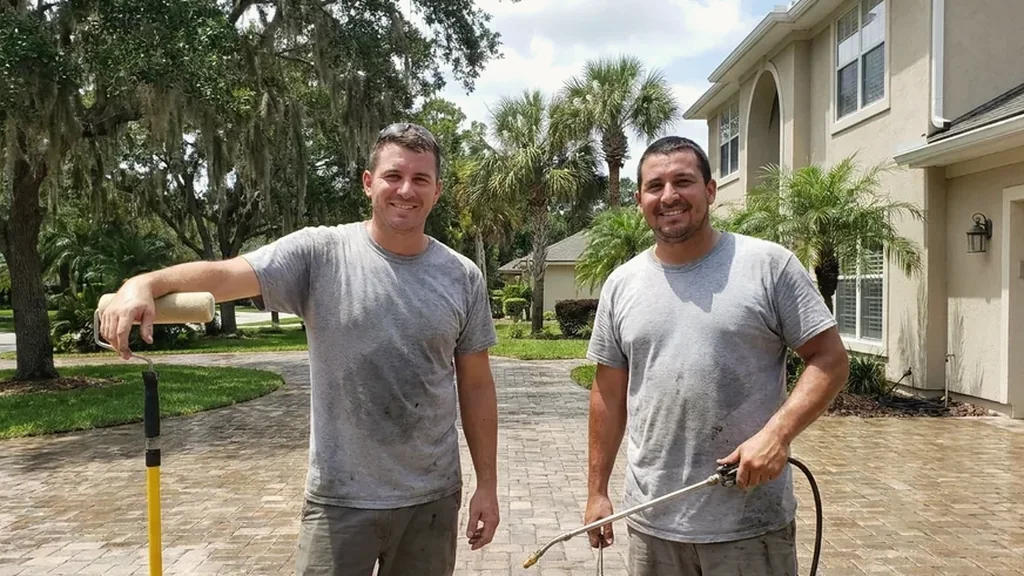
How does a paver sealing job work in Palatka?
Follow the water
The contractor walks your pavers and watches the slope, the downspouts and the sprinkler heads. A test spot shows whether sealer is already there. Sunken sections are marked. You pick a finish, and the forecast gets a check. Photos of low spots taken before the visit help the quote cover everything. Ask whether an HOA or a district rule limits work hours or finishes.
Wash out silt and stains
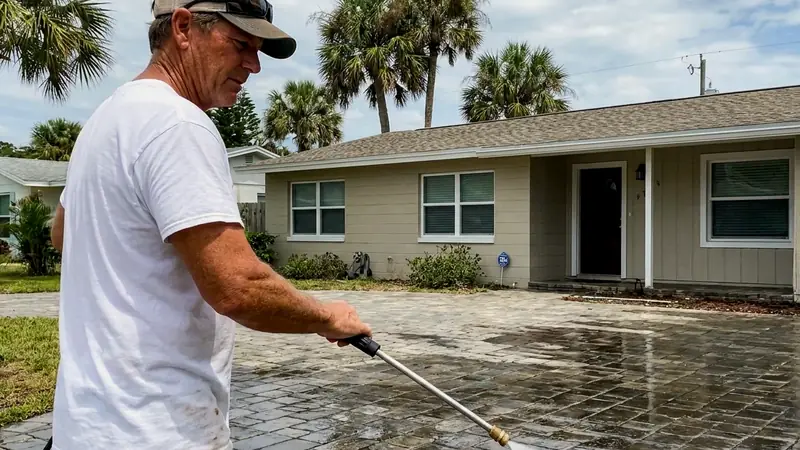
Silt, algae and orange marks come off here. Pressure is kept in check so the stones are not harmed. Rust treatment happens at this point, ahead of the sealer. Everything is rinsed clean. A gentle pass is used near the house wall, where splash can mark siding.
Dry the joints through
Sealer needs a dry surface, and one Jacksonville company says its sealer needs 2 to 4 hours before foot traffic. Drying after a wash can take longer. Several spots get checked first. Drying after a wash can take longer than the label suggests, so patience pays off here.
Refill low corners twice
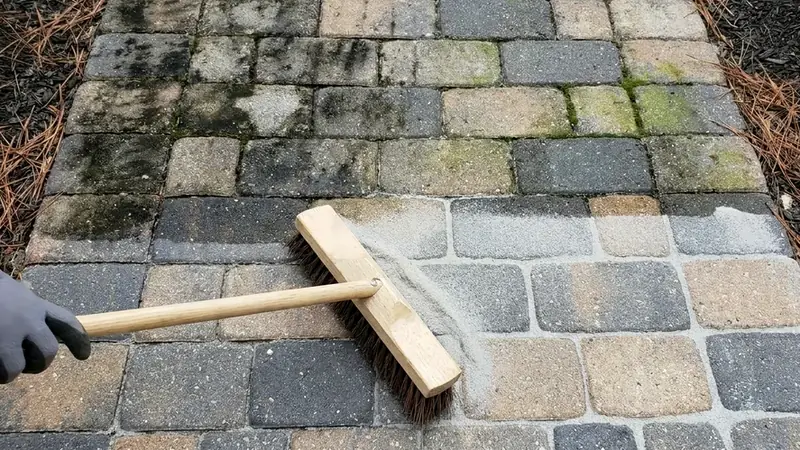
New sand goes into every seam until it is full. Edges and slopes get a second pass, since they lose sand sooner. Extra sand is brushed off the top. A level surface drains better, so sunken edges are noted at the estimate.
Coat and keep off
Sealer is sprayed, then rolled in. The same company says vehicles need 24 hours. Pets, bikes and wet feet keep clear until your time is up. A final pass with you covers any thin or missed spots.
Complete paver services in Palatka
Water is where a Palatka job starts. The contractor reads the slope, the downspouts and the sprinkler heads, then works through wash, dry, sand and seal. The dry stage is the one not to skip. Call (386) 270-5568 to hear how long each stage runs for your drive.
Orange streaks show up on walks beside lawns, while drives take tires and sun. Pool decks need grip. Slopes lose sand sooner. Tell the contractor about each when you request a free estimate.
Two sealer families are in play, and what is on the stones now decides yours. Local companies describe two to five years between coats. Matte forgives scuffs more than a wet look. Call (386) 270-5568 for a sample patch.
June to late September is the rainy stretch in Palatka, and October through May is drier. Mornings that start clear can end in storms. Ask for a rain plan when you request a free estimate, so a delay moves your date.
Questions to ask before you hire
- What time of day do you start, given how humid the mornings get here?
- My driveway slopes toward the street after the last flood, so can you tell if sealing will help or if the base needs work?
- Will you rinse sand off the pavers before the wash, or does the wash take care of it?
- I live a block off A1A and salt spray coats everything, so does that change which sealer you pick?
- Can you seal my beach walkover pavers without getting sealer on the dune grass?
- How do you handle the rust stains from a sprinkler on well water?
- If a storm washes sand out of my joints, do I need to redo the whole job?
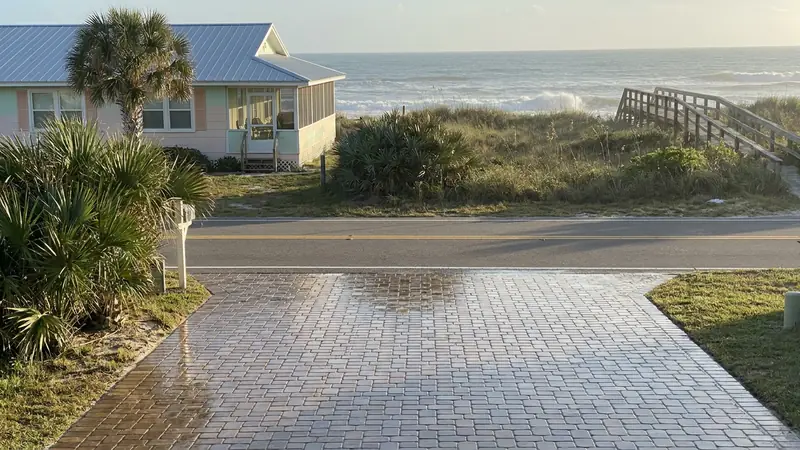
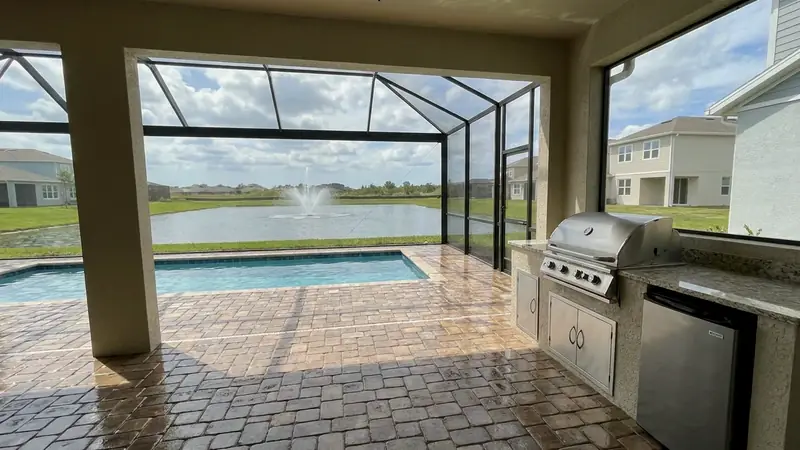
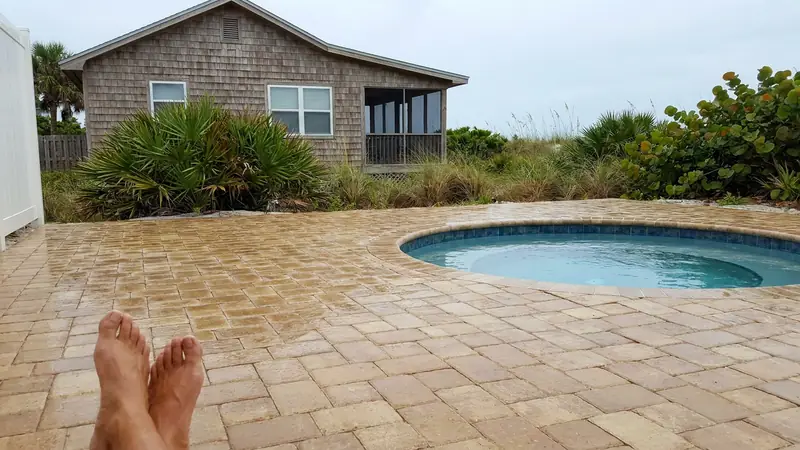
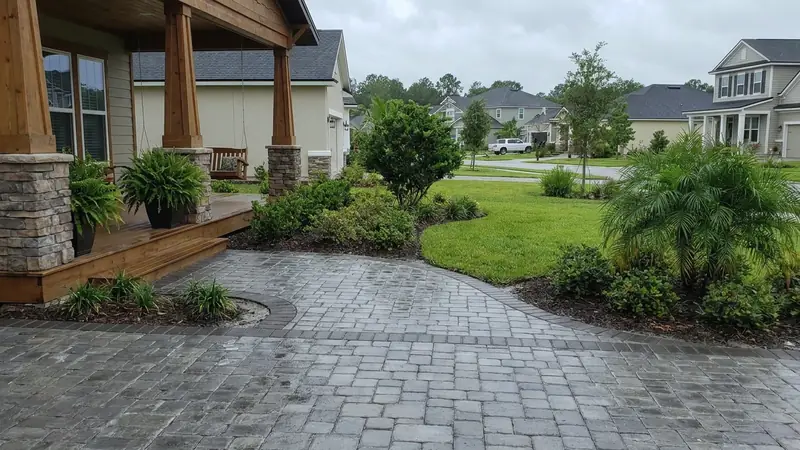
What do sealed pavers look like around Palatka?
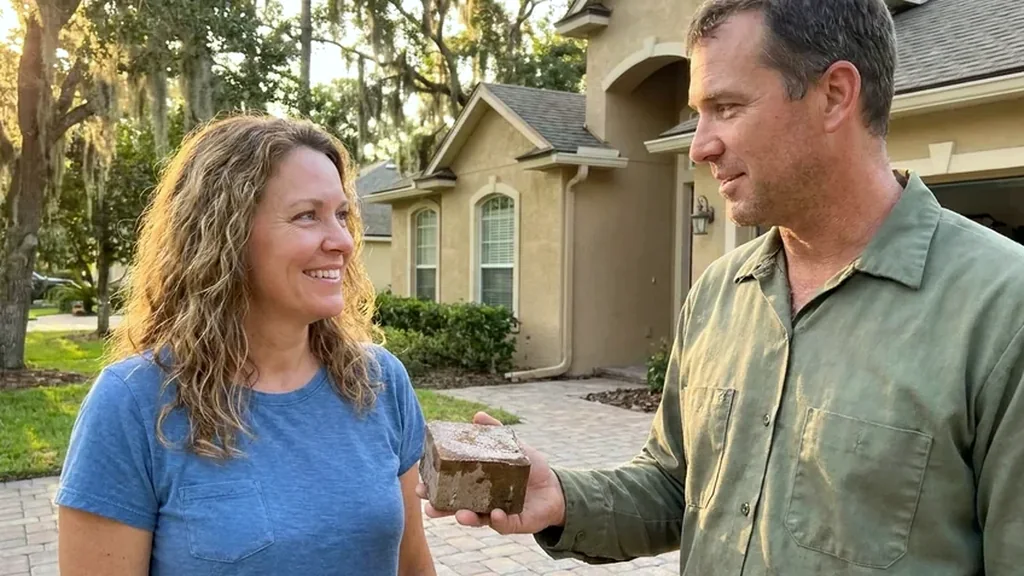
Why local matters in Palatka
Summer storms send water across Palatka driveways, and a contractor who lives with that knows where to start. The slope sets the order of work, and the dry stage sets the length. To book someone who has seen it, call (386) 270-5568.
East Palatka means a trip across the Memorial Bridge, and a local crew counts that time in. If your home is across the river, request a free estimate and ask about the schedule.
Word travels about which streets collect silt after high water. Contractors who hear it learn where to look first. Bring your questions when you request a free estimate.
What should a Palatka homeowner know about the area before calling?
Where the St. Johns River bends, Palatka sits 23 feet above sea level, and 10,446 residents were counted in 2020. The city has a hot, rainy season from June to late September and a dry season from October through May, with about 52.87 inches of rain a year. The Georgia-Pacific paper mill is a major employer, and St. Johns River State College has been in town since 1958. If you live near either, request a free estimate and give your street.
Ravine Gardens State Park, at 1600 Twigg Street, has a 1.8-mile loop road and two ravines up to 120 feet deep. The Works Progress Administration built it, and it hosts part of the Florida Azalea Festival every March, with the Blue Crab Festival following in May. Call (386) 270-5568 to plan your job around festival weekends.
The Memorial Bridge carries US 17, SR 20 and SR 100 to East Palatka, and the old Atlantic Coast Line depot at 220 North Eleventh Street serves Amtrak. Both draw traffic on busy days. A weekday start avoids most of it, so mention timing when you request a free estimate.
Palatka grew around the river, and an 1884 fire led to a downtown rebuilt in brick. Larimer Memorial Library, designed by Henry John Klutho, dates to 1930, and the James Hotel to 1916. Call (386) 270-5568 if your home is near that older core.
Downtown Palatka has a gridded street plan, and much of the original brick road survives. Driveways on those blocks may sit close to old curbs and trees. If yours does, request a free estimate and describe the layout.
Frequently Asked Questions
Is it good to seal pavers in Palatka?
Yes, mainly because Palatka rain is heavy and sealing keeps joint sand and color in place longer. The city averages 52.87 inches a year over about 107 rainy days. A sealed surface also rinses clean more easily after a storm. Lifted or sunken sections still need repair before any coat.
Why is paver sealing so expensive in Palatka?
Because labor is the bulk of the bill, and the sealer is a small share. Washing, waiting for dry pavers, refilling joints and rolling on the coat each take real time. Posted rates run $1.50 to $3.00 per square foot for the whole sequence. Ask what is included in your quote. A short walk costs more per square foot than a wide drive.
Is it better to spray or roll paver sealer?
Both together work best, and contractors usually do both. A sprayer lays the sealer down fast, and a roller pushes it into the joints and levels puddles. Ask the contractor how the sealer is applied and how many coats the quote includes.
Is there a pressure washing and paver sealing business serving Palatka?
Yes. Contractors across Northeast Florida wash, re-sand and seal pavers, and the Palatka estimate is free. Ask for the washing pressure and the sealer name in the quote. Ask each company how long it lets pavers dry before sealing.
How long do paver sealers last in Palatka?
Two to five years is the span local companies describe. Wet summers and heavy use pull that toward the short end. Water that soaks in instead of beading is a sign a new coat is due.
Will sealing remove orange streaks from sprinklers on Palatka pavers?
No, the wash has to lift the stain first. Iron in sprinkler water leaves the orange, and a coat over it would hold it in. Stains caught early come out more easily than old ones.
What if my Palatka pavers sank or lost sand after heavy rain?
Sunken sections get repaired before sealing, because a coat only preserves the problem. Lost sand is refilled. Tell the contractor where the water pooled so that corner gets a look first.
How soon can I drive on a freshly sealed Palatka driveway?
A Jacksonville company says its sealer needs 2 to 4 hours before anyone walks on it and 24 hours before cars. The product and the weather set the real number. You get a keep-off time when the work is done. Moving cars to the street the night before makes the day simpler.
Does a Palatka historic district change the sealing job?
It can, since the City of Palatka Historic Preservation Board reviews some changes in the districts. Cleaning and sealing existing pavers is usually not new construction. A short call to the city is the surest way to confirm.
When should I seal pavers in Palatka?
October through May is the drier season, and it makes steadier work. June to late September is rainy and can interrupt drying. Book early, because dry weeks fill up, and leave a spare day for rain.
Can a Palatka pool deck be sealed without making it slick?
Often yes. A matte finish or a non-slip additive is the safer pick, since a wet look can feel slick underfoot. A trial patch lets you check the feel before the whole deck is done.
Will sealing stop weeds from growing between Palatka pavers?
It can help, since seeds root where sand has washed out of a seam. Sand that stays put under a sealed top leaves seeds little to hold. Some weeds can still show up along the borders.
Ready for a Free Estimate in Palatka?
Call (386) 270-5568 and tell us about your pavers.
Free, no obligation